
In chapter 3 we continue discussing self-care, as it is so important! We will talk through problem solving, concepts called ‘Radical Acceptance’ and ‘Circles of Influence’ and managing worries. Chapter 3 contains some tips, tasks and videos which you might find helpful.
Watch the video about Self-care and problem solving.
Then click on the sections below to open them.
 Tips for problem solving:
- Work on one problem at a time.
- Use paper - writing things down and seeing it in front of you can be helpful!
- If you can, try and set aside time to problem solve rather than doing it at the same time as other tasks/activities.
Remember: In the solution generation stage, no idea is too silly! Try not to judge your solutions until you have had a chance to evaluate them properly.
Write down answers to these questions:
Think about a problem which may have come up for you such as not being able to do self-care whilst caring for others?
Think about what barriers get in the way/what is the problem?
What could be some potential solutions to these?
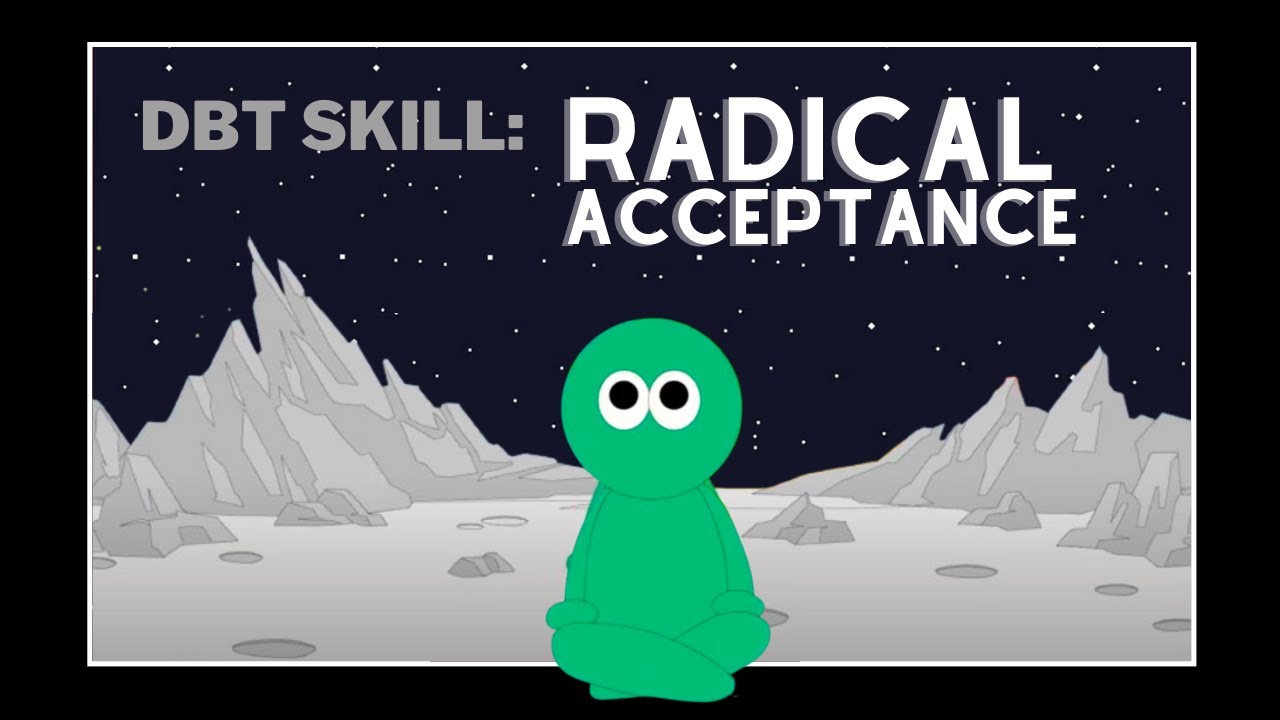
Radical acceptance could be used for issues which you cannot control or concerns you decide not to change (at least for the time being). If we resist the reality of the situation with a “problem” that we cannot control or change, this can lead to an internal struggle and ultimately causes more suffering and pain.
When you've radically accepted something, you are no longer fighting it, but this does not mean you agree with or like what has happened.
Radical acceptance involves fully accepting things as they are instead of ignoring, avoiding or wishing the situation were different.
This does not mean that we approve or like the situation.
This does not mean we are giving up – acceptance is key for any kind of change (e.g., it is hard to treat a health issue if you cannot accept you have one).
Radical acceptance is acceptance all the way, it’s a process which can vary from time-time. This is not easy to do, noticing when you are fighting and struggling, acknowledge your pain and highlight your choice.
 Worry is a very powerful thing, and our unique human ability to imagine can be both a blessing and a curse. We can turn anything into an awful situation in our minds and our brains react as though they have actually happened.
Persistent worrying can have a huge impact on our lives. The ones that tend to stick are the ones we call “hypothetical worries”. They are called this because they are often hypothetical scenarios that COULD happen, but are not guaranteed, and therefore MIGHT NOT happen.
No matter how much you worry about it, it will not change the outcome. With worries, it is important to ask yourself: Can I do anything about it right now?
- Postpone the worry until later.
- Use your sense to focus on the present moment (what can you see, hear, smell, taste and touch?)
- Engage mindfully in an activity (e.g., doing the washing up, paying close attention to what you are doing and using your sense to help you do this – what does the water temperature feel like, the smell of the washing up liquid etc.)
- Relaxation techniques (e.g., breathing, progressive muscle relaxation).
- Practice radical acceptance.
 We often worry about things that our out of control. Instead, we can work on accepting what is not in our control. When we do this we become in control of the things we can control rather than using lots of energy on things outside of our control.